Home / Blog list page / Running Sock Materials Explained: Cotton vs Nylon vs Polyester
Running Sock Materials Explained: Cotton vs Nylon vs Polyester
2021-09-21
The material of your running socks directly affects breathability, blister prevention, and long-run comfort. The four most common materials are cotton, polyester, nylon, and odor-control fiber—and each plays a different role depending on your sweat level and exercise duration.
These are the most common materials in running socks: 1. Cotton 2. Polyester 3. Nylon 4. Odor Control Fiber
Material
Grip
Moisture Absorption
Quick-Dry
Durability
Skin-Friendly
Cotton
⭐⭐⭐
⭐⭐⭐
⭐
⭐
⭐⭐⭐
Polyester
⭐⭐
⭐
⭐⭐⭐
⭐⭐
⭐⭐
Nylon
⭐⭐
⭐⭐
⭐⭐
⭐⭐⭐
⭐⭐⭐
1. Cotton
【Advantages】
Good grip.
Absorb moisture well. Keep your feet dry.
Soft-touch and skin-friendly.
【Shortcomings】
Easy to harden and fluff after washing.
Completely inflexible.
Poor moisture removal, not easy to dry after absorbing moisture.
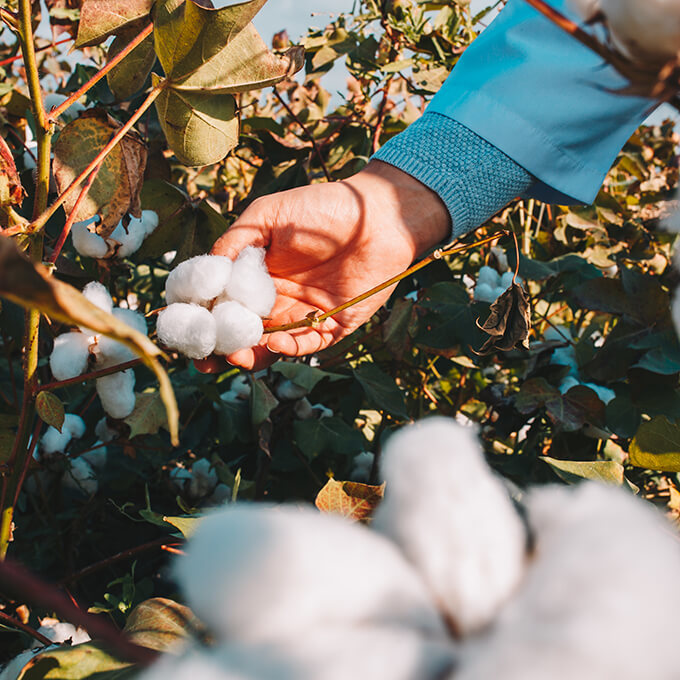
Cotton is a natural fiber, and it will be a little rough after being woven into socks. However, slight roughness is needed for runners, which provides a good grip during exercise and effectively reduces the risk of slipping-related sports injuries. Additionally, feet may sweat much more easily during exercise. Among many hosiery materials, cotton has the best absorption. It can keep your feet dry and get away from blisters.
However, cotton is not without shortcomings. After several washings, drying, and being rubbed against other clothes, the socks could easily become stiff and fluffy.
“There are no 100% cotton socks in the world.”
Cotton is entirely inelastic. We have to add the “Spandex” into the manufacturing process to make socks have elasticity and fit on our feet. If there is less Spandex, the 100% cotton socks will have no elasticity at all. They will slip off easily and become super hard after washing, and it is uncomfortable to wear.
A pair of comfortable cotton socks, the ratio will probably be:
Cotton: 60~65%
Odor Control Yarn: 5~10%
Moisture-Wicking Yarn: 13~25%
Elastic Yarn: 10~12%
These materials’ good balance ratio will help achieve the breathable, odor control, and moisture-wicking functions! (The above data is for reference only. Sometimes it is blended in different proportions due to the effectiveness of the anti-odor yarn)
2. Polyester
【Advantages】
High wear resistance and good elasticity.
Not easy to become hard or wrinkle even after repeated washing.
Quick-drying. Not easy to breed bacteria or mold.
【Shortcomings】
Not a good candidate in moisture-wicking. Feet could feel wet for a long period of time.
Not suitable for long periods of exercise.
Unlike cotton, polyester is a "Chemical Fiber."
Compared to cotton, polyester has good elasticity. When it is made into socks, the fit and wear resistance will be better than cotton. It is not easy to become wrinkled, hardened, or fluffy after washing. Another advantage of polyester is "quick-drying"! It can completely dry in almost less than 1 hour after washing.
The advantage of quick-drying is that polyester is almost "non-absorbent.” When socks are made of 100% polyester, they do not absorb moisture. If you wear 100% polyester socks for long periods of exercise, your feet will become very sticky and uncomfortable due to heavy sweating, which can lead to blisters.
So, when you choose sports socks, consider the type of exercise is also important! If you prefer to exercise for a long time (such as marathons, mountain climbing, basketball, etc.), we do not recommend wearing 100% polyester socks.
(Image:www.unnatisilks.com)
3. Nylon
【Advantages】
Soft-touch and skin-friendly.
Strength and durability are better than those of polyester.
Lightweight, which can effectively reduce the bulkiness of the feet when moving quickly during exercise.
Good elasticity. High wear-resistant and quick-drying.
【Shortcomings】
Poor heat-resistant. Avoid direct sunlight when drying to prevent fading.
Drying speed is slower than that of polyester.
Nylon and polyester are chemical fibers, but nylon’s smoothness, skin-friendliness, strength, and durability are better than those of polyester. Nylon can absorb moisture. When nylon is used to make sports socks, the comprehensive evaluation of comfort, durability, and fit properties will be better than those of polyester.
However, nylon is not heat-resistant, so you must avoid direct sunlight when drying to prevent fading!
4. Odor Control Fiber
We recommend choosing sports socks with the "odor control" function if you have a foot odor problem. The odor control fibers on the market have various production methods, but they generally divide into two categories:
Antibacterial Chemicals: Antibacterial chemicals are used to treat socks. They weaken the bacterial cell membrane, causing the bacteria to die.
Some studies indicated that after about 10~15 washes, more than half of the antibacterial properties of the socks had washed away. When these chemicals wash out of socks, they will pollute water supplies and the ocean.
Anti-odor Fiber Woven Into the Material: The antibacterial materials are woven into the fiber during production. The antibacterial function would not be lost after multiple washings.
CHEGO Sports Socks integrate the advantages of various materials!
5 key points for choosing sports socks, the advantages and disadvantages are compared:
Anti-slip: Cotton>Polyester>Nylon
Moisture-Wicking: Cotton>Nylon>Polyester
Elasticity: Nylon=Polyester>Cotton
Wear Resistance: Nylon>Polyester>Cotton
Skin-friendly: Cotton=Nylon>Polyester
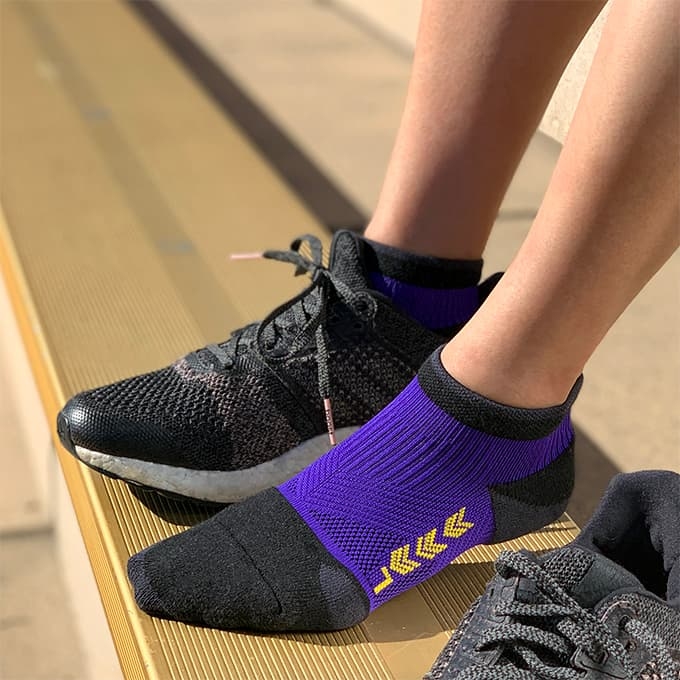
When designing sports socks, we considered the advantages and shortcomings of each material. No material is perfect. Therefore, we take the benefits of each material to develop the most comfortable sports socks! After a series of product development, testing, and proofing, "CHEGO Barefoot Running Ankle Socks" was born.
【Original Design】Use the most suitable material for different parts of your foot!
Forefoot and heel: Cotton and the best antibacterial silver fiber blended.
We use cotton for the forefoot since it is prone to sweating, and for the heel since it is prone to sports injuries. We blend cotton with antibacterial silver tech to deliver the best solution for moisture-wicking, skin-friendliness, and odor control. Keeping your feet dry and comfortable!
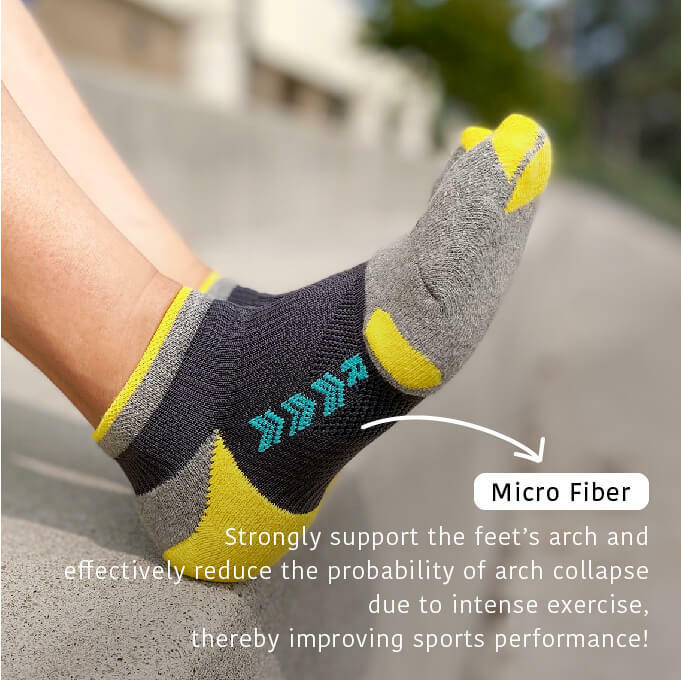
Feet Arch: Micro Fiber
For the feet arch, which requires high fit and high support, we choose “Micro Fiber,” an advanced version of nylon. It is more breathable and moisture-wicking than nylon. It has a smooth hand feel, elasticity, support, and durability. Better than cotton and polyester fibers, it can effectively support the arch of the foot and reduce the risk of arch collapse during intense exercise, thereby improving sports performance!
About Silver Tech Fiber:
Silver is a naturally antibacterial material. The Silver Tech fiber uses a complete sputtering process to maximize silver performance and quality while retaining the cotton's original texture. The Silver Tech Fiber passed the NAMSA ISO 10993 tests, confirming that it does not cause skin irritation or sensitization.
Frequently Asked Questions
Q: What is the best material for running socks? A:There is no single "best" material — the right choice depends on your needs. Cotton offers the best moisture absorption and grip, making it ideal for everyday runs. Nylon provides superior durability and skin-friendliness for long-distance training. For races or speed workouts, a blend of cotton, nylon, and odor-control fiber delivers the best overall performance.
Q: Is cotton or polyester better for running socks? A: Cotton absorbs moisture better and provides natural grip, but dries slowly — making it less ideal for high-intensity or long-duration exercise. Polyester dries quickly but absorbs almost no moisture, leaving your feet feeling wet and sticky during extended runs. For most runners, a cotton-nylon blend outperforms pure polyester.
Q: Do running sock materials affect blisters? A: Yes. Materials with poor moisture absorption (like 100% polyester) trap sweat against the skin, increasing friction and blister risk. Cotton and nylon both absorb moisture away from the skin. For blister prevention, look for socks that use different materials in high-friction zones — such as cotton at the forefoot and heel, and moisture-wicking fiber at the arch.
Q: What are odor-control fibers in socks, and do they work? A: Odor-control fibers come in two types: chemical treatment (sprayed onto the sock) and antibacterial fiber woven into the material. Chemical treatments lose more than half their effectiveness after 10–15 washes. Fiber-based solutions — such as silver tech yarn — retain their antibacterial properties after repeated washing, making them a more durable choice for active use.
Q: Should different parts of a running sock use different materials? A: Yes — professional running socks are designed with zone-specific materials. The forefoot and heel benefit from cotton blended with antibacterial fiber for moisture absorption and grip. The arch area, which requires high fit and support, works best with microfiber — an advanced form of nylon that is more breathable, elastic, and supportive than standard nylon or polyester.